Begin with safe access
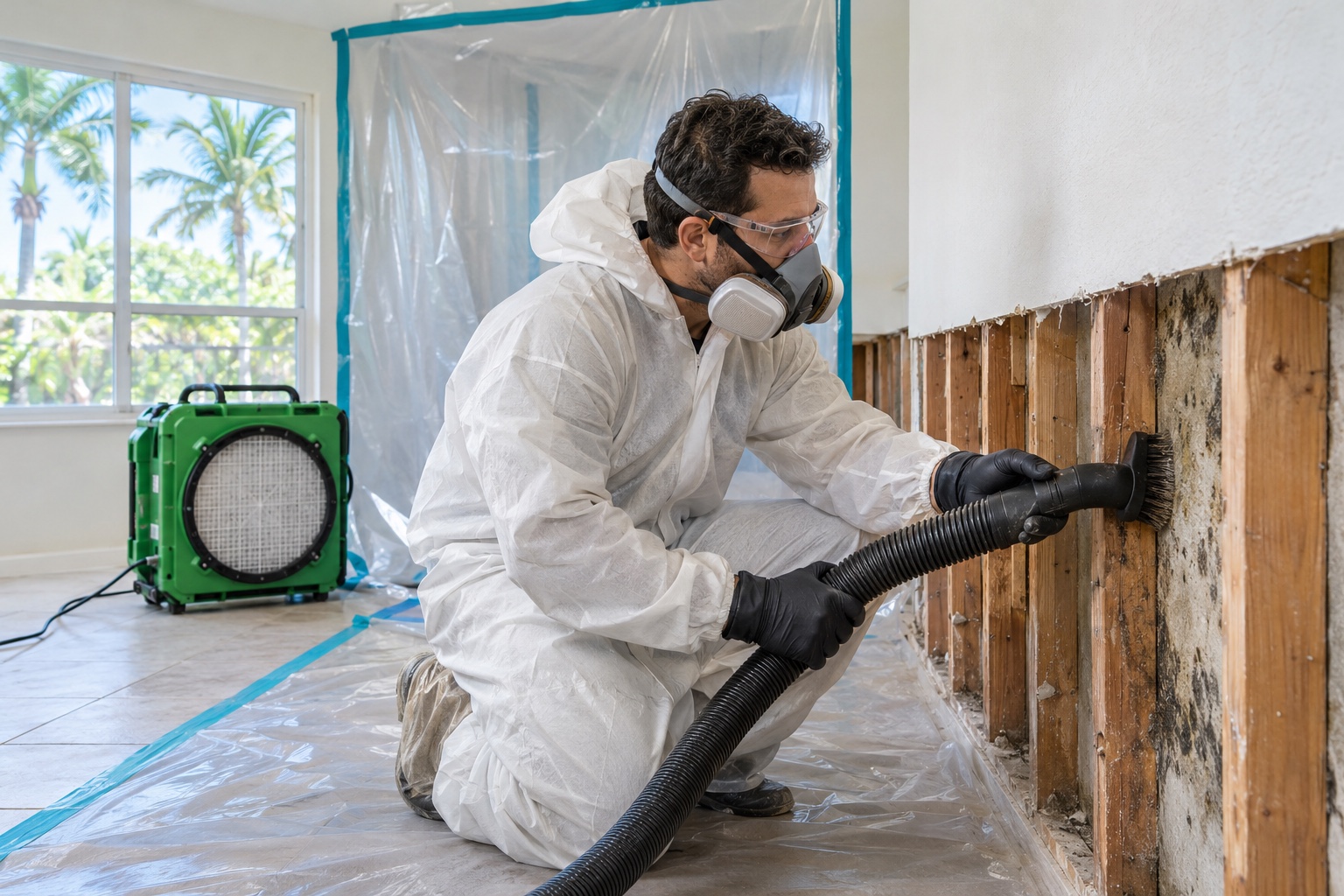
Following a storm, building safety comes before checking for mold. Follow local instructions and avoid areas with electrical or structural hazards. Once access is appropriate, look for water entry and changes in wall finishes or furnishings. A musty odor is worth reporting, but it does not identify a mold species.
Separate humid air from a water leak
A property may have elevated humidity, direct rain intrusion, or both after an outage. Note which rooms feel damp and whether stains appeared near doors or ceilings. An HVAC professional can advise on restarting and evaluating the cooling equipment. Do not assume that turning the system back on repairs wet building materials.
Act on affected materials
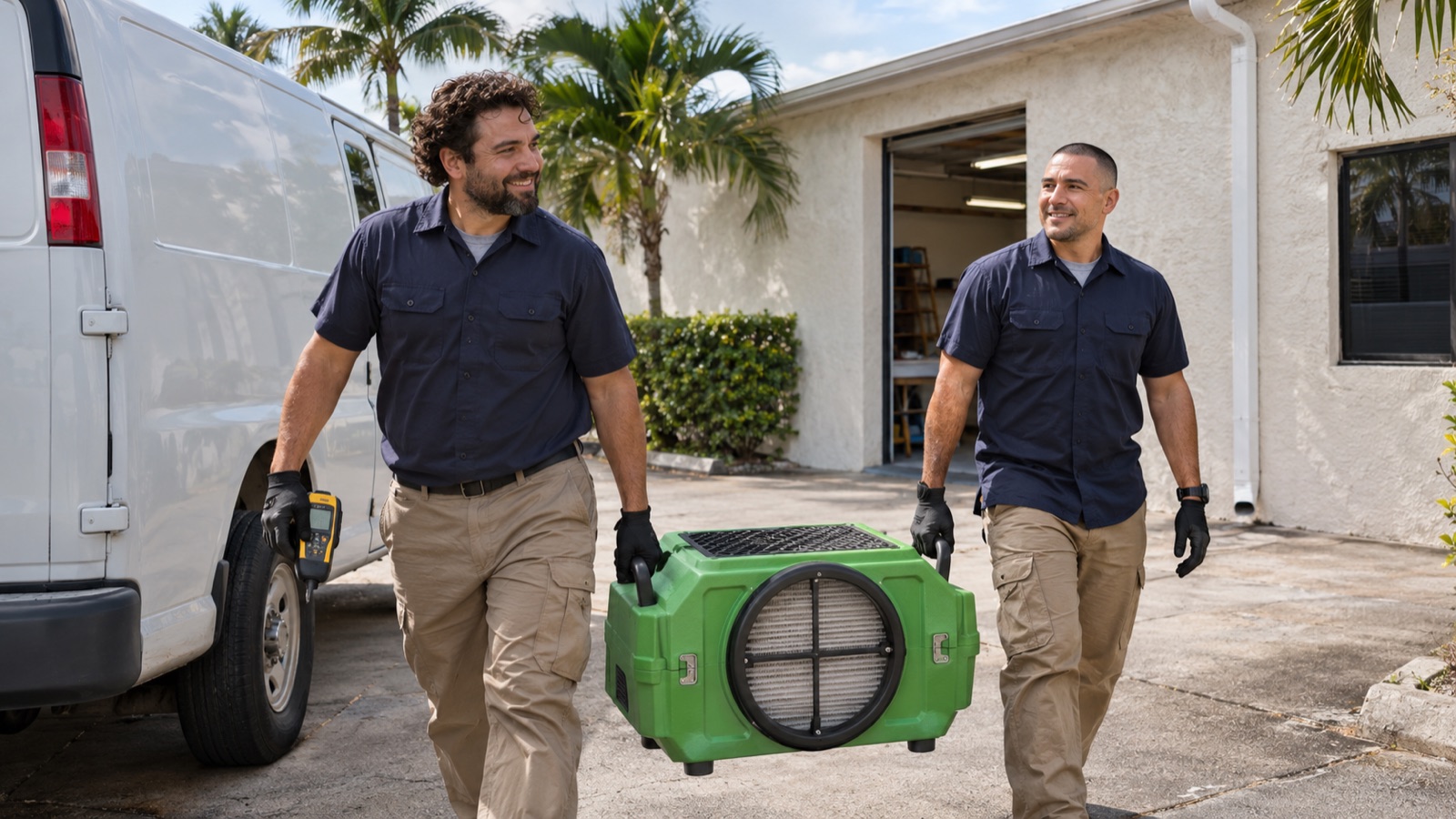
Report visible growth or persistent dampness rather than covering it with paint. We can discuss whether an on-site review is needed for cleanup. Share outage dates and any known water entry with the professionals involved. That history helps keep the investigation focused on actual conditions.
Official resources for property owners
Let’s discuss the damage at your property
Call with the address and tell us where you found moisture or growth. Share any repair history or assessment report you already have. We can discuss access, availability, and the questions an on-site review should address.
Call (786) 705-7090